

Home Staging Secrets That Sell Homes Faster and For More Money
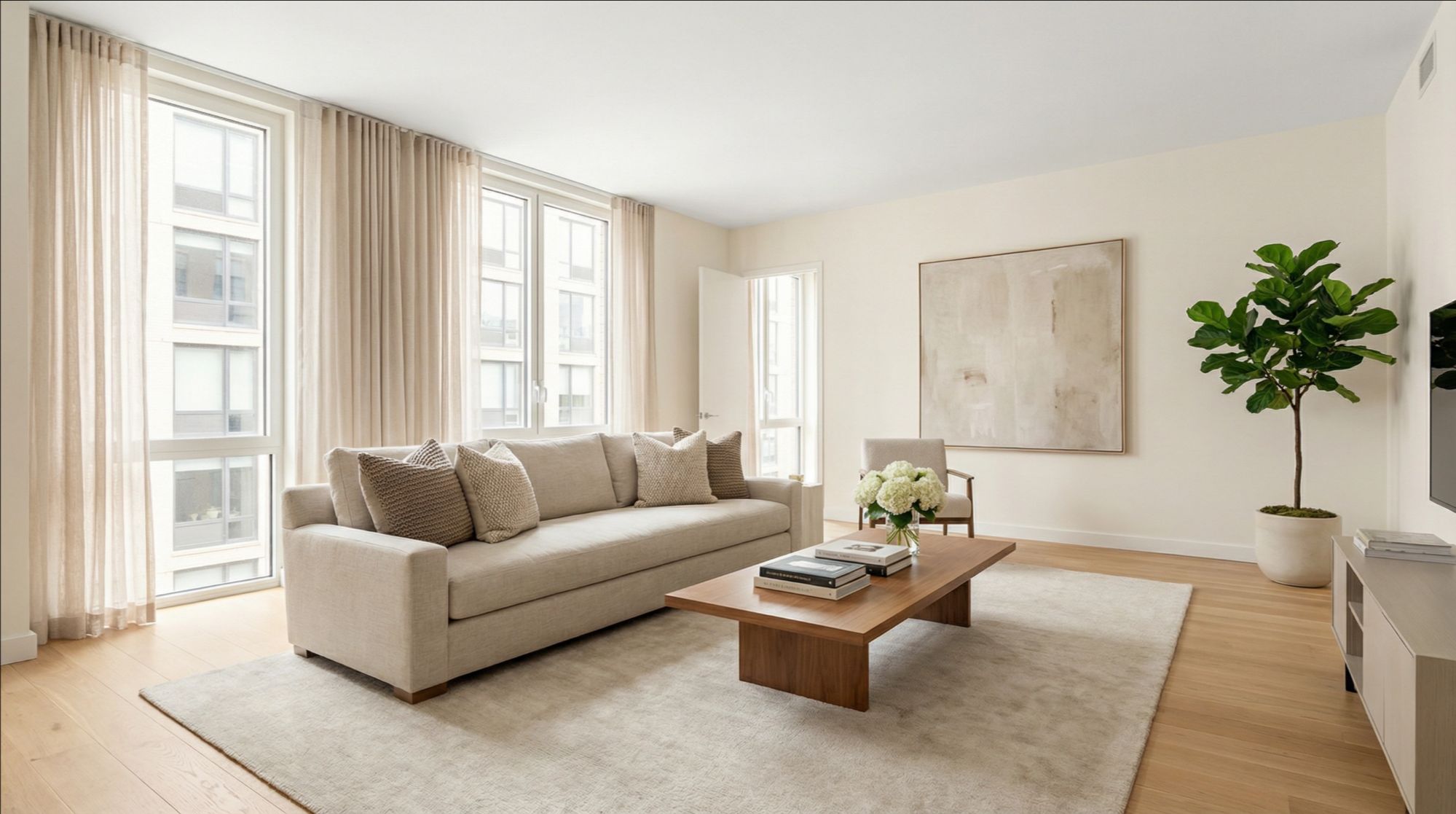
After helping over 3,000 families sell their homes in 28 years, I've seen firsthand how staging transforms properties—and bank accounts. The difference between a staged and unstaged home isn't just aesthetic; according to the National Association of Realtors (NAR), staged homes sell 73% faster and for 5-15% more than unstaged properties.
That's not a small difference. On a $300,000 home, we're talking about $15,000-$45,000 in additional proceeds—and weeks or months less time on the market. Yet many sellers skip staging, thinking it's expensive, unnecessary, or only for luxury properties.
The truth? Staging works at every price point, and you don't need a five-figure budget to see dramatic results. This guide shares the staging strategies that consistently help my clients sell faster and for top dollar.
Why Staging Works: The Psychology of Home Buying
Before diving into specific tips, let's understand why staging is so powerful.
The 7-Second First Impression
According to Zillow Research, buyers form an opinion about a home within 7-10 seconds of entering. That snap judgment—based purely on emotional response—often determines whether they'll seriously consider the property or mentally check out.
Staging creates that crucial positive first impression by:
- Eliminating visual clutter that distracts buyers
- Highlighting the home's best features and flow
- Creating an aspirational lifestyle buyers want to buy into
- Making spaces feel larger, brighter, and more inviting
Buyers Can't See Past Your Stuff
According to Real Estate Staging Association (RESA), 82% of buyers have difficulty visualizing a property's potential when it's filled with the seller's personal belongings, clutter, and dated decor.
Your family photos, collections, and personal style help buyers see your life in the home—not their future. Staging creates a neutral canvas that lets buyers mentally move in.
Online Photos Make or Break Showings
According to NAR, 97% of buyers start their home search online. If your listing photos don't grab attention in the first few seconds of scrolling, buyers move on to the next property.
According to Redfin, professionally staged homes receive 61% more online views than unstaged homes. More views mean more showings, more competition, and higher offers.
The ROI Is Undeniable
According to RESA industry data:
- 83% of buyers' agents say staging makes it easier for buyers to visualize the property as their future home
- 73% faster sales compared to unstaged homes
- 5-15% higher sale prices on average
- Average staging cost: 1-3% of home's value
- Average return: 5-15% increase in sale price
Example: Staging a $300,000 home costs $3,000-$9,000. If it sells for just 5% more ($15,000), you've netted $6,000-$12,000 profit—plus saved weeks or months of carrying costs.
Room-by-Room Staging Guide
Let's break down specific staging strategies for every room in your home.
Living Room: The Heart of the Home
The living room sets the tone for the entire house. It should feel spacious, inviting, and showcase how the space can be used.
Declutter Ruthlessly
- Remove 50% of furniture to create flow and space
- Clear all surfaces except 1-2 decorative items per table
- Remove personal photos, collections, and knick-knacks
- Store extra furniture in garage or storage unit
According to Houzz research, rooms with minimal furniture photograph 40% better and feel significantly larger to buyers.
Create Conversation Areas
- Arrange furniture to create intimate seating groups
- Pull furniture away from walls (12-18 inches) to create depth
- Ensure clear traffic flow—buyers should move easily through the space
- Angle furniture slightly to add visual interest
Neutralize and Brighten
- Repaint bold walls in neutral colors (warm whites, soft grays, greige)
- According to Zillow paint color analysis, homes with neutral living rooms sell for $1,900 more on average
- Maximize natural light—open curtains, remove heavy drapes
- Add lamps to dark corners (aim for 3-5 light sources per room)
Add Strategic Accessories
- Fresh flowers or greenery
- Textured throw pillows in neutral tones
- Cozy throw blanket draped over sofa
- Coffee table styling: 1-2 books, small plant, decorative object
Kitchen: The Deal-Maker
According to NAR, the kitchen is the #1 room that influences buyers' decisions. A dated or cluttered kitchen can kill a deal.
Clear the Counters
- Remove 90% of items from countertops
- Store small appliances (toaster, coffee maker, blender)
- Keep only: coffee maker OR decorative bowl with fruit
- Clear refrigerator front completely—no magnets, photos, papers
According to Realtor.com, kitchens with clear countertops sell 30% faster than cluttered ones.
Deep Clean Everything
- Scrub grout, polish fixtures, clean inside appliances
- According to RESA, cleanliness is the #1 factor in kitchen appeal
- Replace worn dish towels with fresh, neutral ones
- Clean or replace cabinet hardware if tarnished
Update on a Budget
- Paint cabinets if dated (white or soft gray)
- According to HomeAdvisor, painted cabinets cost $1,000-$3,000 but add $5,000-$10,000 in perceived value
- Replace outdated cabinet hardware ($100-$300)
- Add under-cabinet lighting ($150-$400)
- Replace old faucet if corroded ($100-$300)
Style for Photos
- Fresh fruit in bowl on counter or island
- Fresh flowers in vase
- New dish towels in coordinating colors
- Set table with simple place settings for photos
Master Bedroom: The Sanctuary
Buyers need to envision their most personal space as a relaxing retreat.
Create a Hotel-Like Experience
- Invest in crisp white or neutral bedding
- According to RESA, hotel-style bedding increases perceived bedroom value by 15-20%
- Layer with decorative pillows (5-7 pillows in coordinating colors)
- Add textured throw at foot of bed
Maximize Space
- Remove excess furniture—keep bed, 2 nightstands, 1 dresser maximum
- Clear closet of 50% of contents to show storage space
- According to Zillow, spacious-looking closets add $1,400 to perceived home value
- Store personal items, exercise equipment, laundry
Keep It Neutral and Calming
- Repaint bold walls in soft, neutral tones
- Remove personal photos and items
- Add simple artwork above bed (landscape, abstract, or neutral prints)
- Keep nightstands minimal: lamp, small plant or book
Bathrooms: Spa-Like Appeal
Bathrooms should feel clean, fresh, and spa-like.
Deep Clean and Declutter
- Remove 100% of personal items from counters and shower
- Store toothbrushes, razors, medications, toiletries
- Scrub grout, polish fixtures, clean mirrors spotless
- Replace worn bath mats, shower curtains, towels
Create Spa Vibes
- Hang fresh white or neutral towels (matching sets)
- Roll hand towels and display in basket
- Add small plant or fresh flowers
- Place decorative soap dispenser and tray on counter
- Light a subtle candle before showings
Update Fixtures on a Budget
- Replace outdated faucets ($50-$200)
- Update light fixtures ($50-$150)
- Replace toilet seat if worn ($20-$50)
- Add modern towel bars/hooks ($30-$100)
According to Remodeling Magazine, minor bathroom updates return 70-80% at resale.
Dining Room: Showcase the Lifestyle
Many buyers skip formal dining rooms, so you need to show them why this space matters.
Set the Table
- Use simple, elegant place settings for 4-6
- Add centerpiece: fresh flowers, greenery, or candles
- Layer with placemats or runner
- Keep styling neutral and uncluttered
Create Purpose
- If you don't have a dining table, borrow or rent one
- Empty dining rooms photograph poorly and feel wasted
- Alternative: Stage as home office or reading nook if dining room is small
Lighting Matters
- Ensure chandelier or pendant is clean and working
- Use warm-bulb lighting (2700-3000K)
- Add dimmer if possible for showing flexibility
Home Office: The Post-Pandemic Essential
According to NAR, 65% of buyers now prioritize dedicated home office space post-pandemic.
Create a Functional Workspace
- Simple desk and comfortable chair
- Minimal desk styling: lamp, small plant, 1-2 books
- Ensure good lighting (natural + task lighting)
- Clear all paperwork and clutter
Show Flexibility
- If space is small, show it can be office OR guest room
- Stage with desk + daybed or futon
- Demonstrate the room's versatility
Outdoor Spaces: Extend the Living Area
According to NAR, outdoor living spaces add 10-15% to perceived home value in markets with good weather.
Create Outdoor Rooms
- Add patio furniture to show usable space
- Stage deck or patio with seating, small table, potted plants
- Show buyers they're getting extra living space
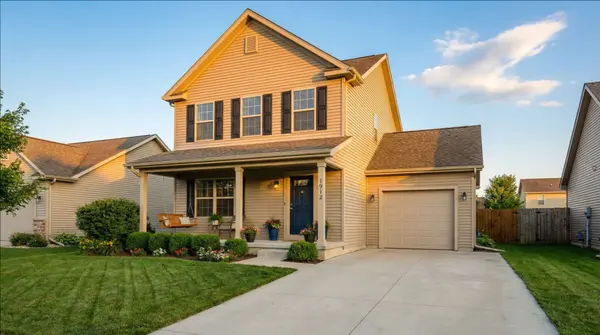
Curb Appeal Is Critical
- According to Michigan State University research, landscaping adds 7-10% to home value
- Fresh mulch in beds ($200-$400)
- Trim overgrown bushes and trees
- Plant seasonal flowers ($100-$200)
- Power wash driveway, walkways, siding
- Paint or stain front door
- Add new welcome mat and house numbers
Staging Styles: Finding the Right Look
Not all staging looks the same. Choose a style that matches your home's architecture and target buyer.
Modern Minimalist
Best for: Contemporary homes, urban condos, lofts
Key elements: Clean lines, minimal furniture, neutral palette, statement lighting
Colors: Whites, grays, blacks, with one accent color
Transitional (Most Popular)
Best for: Most suburban homes, broad buyer appeal
Key elements: Mix of traditional and modern, comfortable but not fussy
Colors: Warm neutrals (greige, taupe, soft whites) with natural textures
According to Zillow, transitional staging appeals to the widest buyer demographic.
Farmhouse/Rustic
Best for: Older homes, rural properties, homes with character
Key elements: Reclaimed wood, vintage accents, cozy textures
Colors: Whites, creams, natural wood tones, muted blues/greens
Coastal/Light & Airy
Best for: Homes with lots of natural light, beach areas
Key elements: White and light blue palette, natural textures, breezy feel
Colors: Whites, soft blues, sandy neutrals, natural fibers
DIY Staging vs. Professional Staging: When to Hire Help
DIY Staging (Budget: $500-$2,000)
Best for:
- Homes under $250,000
- Sellers with good design sense
- Properties that just need decluttering and neutralizing
What you can DIY:
- Decluttering and depersonalizing
- Deep cleaning
- Repainting in neutral colors
- Rearranging existing furniture
- Adding simple accessories (pillows, throws, plants)
- Curb appeal improvements
Resources:
- Rent furniture from staging companies ($500-$1,500/month)
- Shop HomeGoods, Target, IKEA for affordable accessories
- Borrow neutral furniture from friends/family
Professional Staging (Budget: $2,000-$8,000)
Best for:
- Homes over $350,000
- Vacant properties
- Homes with awkward layouts or dated decor
- Competitive markets where every advantage matters
According to RESA, professional staging returns $10-$20 for every $1 spent.
What professionals provide:
- Expert furniture placement and flow
- Full furniture rental and accessories
- Professional design eye for colors, scale, style
- Photography-ready presentation
- Staging for your target buyer demographic
Typical costs:
- Initial consultation: $150-$500
- Vacant home staging: $2,000-$5,000 for 2-3 months
- Occupied home staging: $500-$2,000 (consultation + accessories)
- Per-room staging: $500-$1,500 per room
Common Staging Mistakes to Avoid
Even well-intentioned sellers make these costly errors:
1. Over-Personalizing
Mistake: Leaving family photos, religious items, political decor, collections
Fix: Remove 100% of personal items—buyers need to see themselves, not you
2. Using Bold Paint Colors
Mistake: Keeping bright red, deep purple, or bold accent walls
Fix: According to Zillow paint analysis, neutral walls sell for $1,900-$3,000 more
3. Over-Furnishing
Mistake: Keeping all your furniture to show "how much fits"
Fix: Remove 30-50% of furniture—space sells, not storage capacity
4. Ignoring Odors
Mistake: Not addressing pet, smoke, or cooking odors
Fix: Deep clean carpets, air out home, use subtle air fresheners (avoid overpowering scents)
According to Realtor.com, odors are the #1 deal-killer in showings.
5. Skipping Curb Appeal
Mistake: Focusing only on interior while exterior looks neglected
Fix: Buyers decide whether to get out of the car in 10 seconds—make the exterior inviting
6. Dark and Dim Lighting
Mistake: Relying on overhead lighting or keeping curtains closed
Fix: Open all curtains, turn on all lights, add lamps to dark corners
According to Houzz, well-lit homes photograph 50% better and feel 30% larger.
7. Leaving Rooms Empty
Mistake: Removing all furniture to show space
Fix: Empty rooms photograph poorly and feel smaller—stage with minimal furniture to define purpose
Staging on a Tight Budget: Maximum Impact for Minimum Cost
You don't need thousands to stage effectively. Focus on high-impact, low-cost improvements.
Under $500 Budget
Priorities:
1.Deep clean everything ($0-$200 for supplies or cleaning service)
2.Declutter and depersonalize ($0—just time and effort)
3.Fresh paint touch-ups ($50-$150 for paint and supplies)
4.Curb appeal basics ($100-$200: mulch, flowers, power washing)
5.New towels and bedding ($100-$200 for neutral sets)
Total impact: According to my experience, these five steps alone can increase sale price by 2-3% ($6,000-$9,000 on a $300,000 home).
$500-$1,500 Budget
Add to above:
- Repaint one accent wall or room ($100-$300)
- Update light fixtures ($100-$400 for 2-3 fixtures)
- Add staging accessories ($200-$400: pillows, throws, plants, artwork)
- Rent furniture for vacant rooms ($500-$1,000/month)
$1,500-$3,000 Budget
Add to above:
- Professional staging consultation ($150-$500)
- Paint entire interior neutral ($800-$2,000 depending on size)
- Update cabinet hardware ($100-$300)
- Professional photography ($200-$500)
According to Redfin, homes with professional photos sell 32% faster.
Virtual Staging: The Digital Alternative
Virtual staging uses software to digitally furnish empty rooms in listing photos.
Pros:
- Cost-effective: $25-$150 per room vs. $500-$1,500 for physical staging
- Fast: 24-48 hour turnaround
- Flexible: Can show multiple design styles
- Good for: Vacant homes, investment properties, pre-listing marketing
Cons:
- Disclosure required: Must note "virtually staged" in listings
- In-person disappointment: Buyers see empty rooms at showings
- Less effective: According to RESA, physical staging outperforms virtual staging by 40% in sale speed
Best use: Combine virtual staging for online photos with minimal physical staging (rugs, plants, key furniture pieces) for in-person showings.
Staging Timeline: When to Start
4-6 Weeks Before Listing
- Start decluttering and depersonalizing
- Begin necessary repairs and updates
- Get staging consultation if hiring professional
- Order furniture rentals or accessories
2-3 Weeks Before Listing
- Complete painting
- Deep clean entire home
- Install new fixtures or hardware
- Stage outdoor spaces
1 Week Before Listing
- Final staging touches (accessories, plants, flowers)
- Professional cleaning
- Professional photography session
- Final walkthrough with agent
During Listing
- Maintain staging (fresh flowers, clean, organized)
- Quick clean before every showing
- Keep clutter at bay (daily 10-minute tidy)
- Refresh staging monthly if home sits longer
Staging for Different Property Types
Vacant Homes
Challenge: Empty rooms feel cold and photograph poorly
Solution: Stage at minimum the living room, master bedroom, and dining room
Budget: $2,000-$5,000 for 3-month rental
According to NAR, vacant homes sit on market 2x longer than staged vacant homes.
Occupied Homes
Challenge: Living with staging while showing home
Solution: Declutter, neutralize, and add strategic accessories
Budget: $500-$2,000
Tips for living in staged home:
- Store personal items in garage or storage unit
- Quick daily tidy routine (10-15 minutes)
- Keep "showing kit" ready (fresh towels, air freshener, lights checklist)
Luxury Homes ($500K+)
Challenge: High buyer expectations, competitive market
Solution: Professional staging is non-negotiable
Budget: $5,000-$15,000
According to RESA, 90% of luxury homes are professionally staged.
Condos and Townhomes
Challenge: Limited space, shared walls
Solution: Maximize space with minimal furniture, show lifestyle
Budget: $1,000-$3,000
Focus areas: Living room, master bedroom, balcony/patio staging
Fixer-Uppers
Challenge: Dated or damaged features
Solution: Clean staging that shows potential without hiding issues
Budget: $500-$1,500
Strategy: Stage to show "good bones" and help buyers visualize post-renovation potential
The Bottom Line: Staging Sells
After 28 years in real estate, I can tell you with certainty: staging works. The homes I represent that are properly staged consistently sell faster and for more money than comparable unstaged properties.
Key Takeaways:
✅ Staging isn't optional in competitive markets—it's essential
✅ ROI is proven: 5-15% higher sale prices, 73% faster sales
✅ Budget options exist for every price point
✅ First impressions happen in 7 seconds—make them count
✅ Buyers can't see past your stuff—neutralize and declutter
✅ Professional help pays for itself on homes over $350K
✅ Focus on high-impact areas: living room, kitchen, master bedroom, curb appeal
Whether you invest $500 or $5,000, staging is one of the smartest investments you'll make in your home sale.
Work With a Staging Expert
I work with trusted professional stagers throughout Kansas City and can guide you on the right level of staging for your home and budget. Let's create a staging strategy that maximizes your sale price and minimizes your time on market.
Matthew Graham
Best Kansas City Living | EPIQUE Realty
Phone: +1 (816) 728-7000
Email: matthewrealestate@gmail.com
Website: www.bestkansascityliving.com
Serving the Kansas City Metropolitan Area with Excellence Since 1996
DISCLAIMER:
This article represents Matthew Graham's professional opinions and is for informational purposes only, not professional advice. Real estate decisions should be made in consultation with licensed real estate, legal, and financial professionals. Market conditions vary and information may change. Matthew Graham and Best Kansas City Living are not liable for decisions made based on this content.
Categories
Recent Posts





GET MORE INFORMATION