

10 Essential Tips for First-Time Home Buyers in 2026
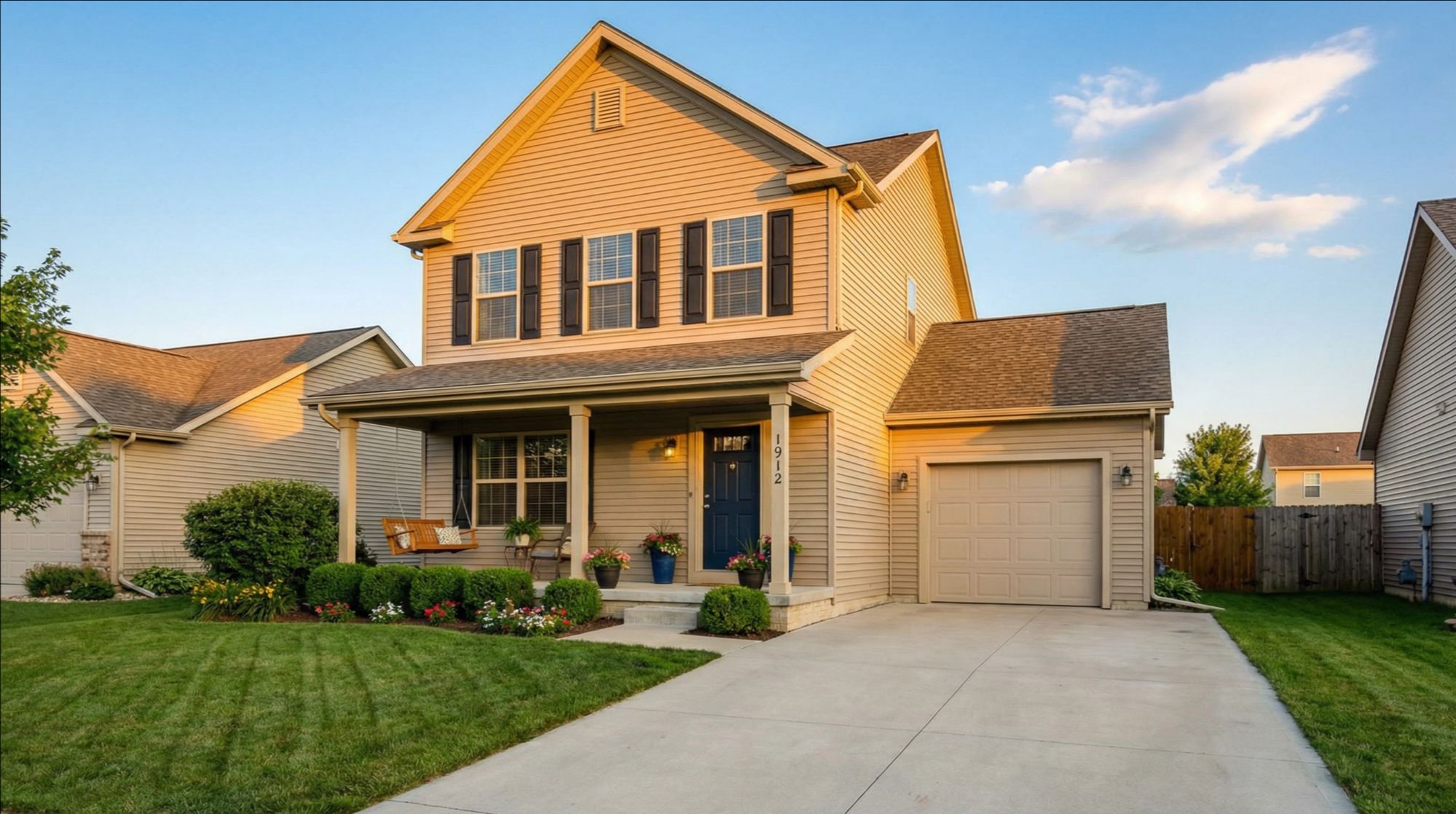
Buying your first home is exciting—and overwhelming. After helping thousands of first-time buyers navigate the real estate market over 28 years, I've learned what separates successful buyers from those who struggle. The good news? According to Freddie Mac, 2026 is shaping up to be a favorable year for first-time buyers, with mortgage rates trending toward 6% and housing inventory increasing nationwide.
Here are the 10 essential tips every first-time buyer needs to know.
1. Get Your Credit Score to 700+
Your credit score directly impacts your interest rate. According to myFICO, borrowers with scores above 760 can save over $100,000 in interest compared to those with scores below 620 on a 30-year mortgage. Aim for 700 or higher to qualify for the best rates, though many programs accept scores as low as 580-620.
Quick Actions to Boost Your Score:
- Pay all bills on time (35% of your score)
- Reduce credit card balances below 30% of limits
- Don't open new credit accounts before applying
- Check your credit reports for errors and dispute them
According to Experian, even a half-point difference in interest rate can save you tens of thousands over the life of your loan. On a $300,000 mortgage, a 0.5% rate difference equals approximately $30,000 over 30 years.
2. Know Your Down Payment Options
Forget the myth that you need 20% down. According to the National Association of Realtors (NAR), the median down payment for first-time buyers is just 8%. Several programs offer low or zero down payment options for qualified buyers:
Down Payment Programs:
- USDA Loans: 0% down for eligible suburban and rural areas
- VA Loans: 0% down for veterans and active military
- FHA Loans: 3.5% down with credit scores of 580+
- Conventional Loans: As low as 3% down for first-time buyers
Don't Forget Closing Costs
According to Zillow, closing costs typically range from 2-5% of the purchase price. On a $300,000 home, budget $6,000-$15,000 for closing costs including:
- Loan origination fees
- Appraisal and inspection fees
- Title insurance and search
- Attorney fees
- Prepaid property taxes and insurance
- Recording fees
3. Get Pre-Approved (Not Just Pre-Qualified)
This is critical. Pre-qualification is just an estimate. Pre-approval is a formal commitment from a lender based on verified documents.
According to Realtor.com, in today's competitive market, 87% of sellers won't consider offers without pre-approval. When multiple offers come in, pre-approved buyers have a significant advantage.
The Pre-Approval Process:
1.Submit financial documents (pay stubs, tax returns, bank statements)
2.Lender verifies employment and income
3.Credit check is performed
4.Lender issues pre-approval letter with specific loan amount
Pro tip: Shop around with at least 3 lenders. According to Consumer Financial Protection Bureau (CFPB), borrowers who compare at least three lenders save an average of $1,500 over the life of their loan. Even a 0.25% rate difference saves thousands over 30 years.
4. Choose an Experienced Buyer's Agent
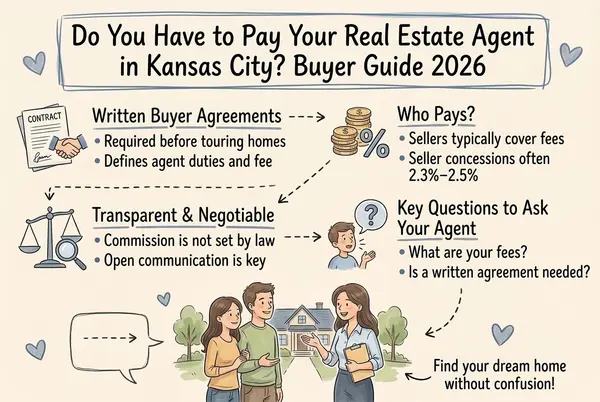
A good agent costs you nothing (sellers typically pay the commission) but provides enormous value. According to NAR, 88% of buyers purchase their home through a real estate agent or broker.
What a Great Buyer's Agent Provides:
✅ Deep knowledge of local neighborhoods and schools
✅ Access to homes before they hit major listing sites
✅ Expert negotiation to get you the best price
✅ Guidance through inspections, appraisals, and paperwork
✅ Market insights on pricing and competition
According to Zillow research, buyers who work with agents save an average of $15,000 compared to those who go it alone.
Interview at least three agents. Ask about their experience with first-time buyers and request references.
5. Research Neighborhoods Thoroughly
Don't just fall in love with a house—make sure you love the neighborhood too. According to Realtor.com, 65% of buyers say neighborhood quality is more important than home size.
Key Factors to Evaluate:
✅ Commute time to work and traffic patterns
✅ School district quality (even if you don't have kids—it affects resale value)
✅ Crime rates and neighborhood safety (check NeighborhoodScout)
✅ Walkability and access to parks, trails, and recreation (check Walk Score)
✅ Proximity to grocery stores, healthcare, and essential services
✅ Property tax rates (which can vary significantly)
✅ Future development plans that could affect property values
Do Your Homework
Visit neighborhoods at different times of day and on different days of the week. Talk to residents. Walk around and imagine yourself living there. According to NAR, 75% of buyers say they would sacrifice home size for a better neighborhood.
Your neighborhood will impact your daily life as much as the house itself.
6. Look Beyond Cosmetics
First-time buyers often focus on paint colors and fixtures while missing serious problems. According to HomeAdvisor, the average cost to replace a roof is $8,000-$12,000, while repainting costs just $2,000-$4,000.
Focus on the Bones:
✅ Foundation condition - Repairs can cost $10,000-$50,000
✅ Roof age and condition - Replacement costs $8,000-$15,000
✅ HVAC functionality - New systems cost $5,000-$10,000
✅ Plumbing and electrical systems - Updates can cost $5,000-$20,000
✅ Layout and natural light - Can't be easily changed
You can easily paint walls and replace carpet. You can't easily fix a failing foundation or replace a roof without major expense.
Red Flags to Watch For:
⚠️ Foundation cracks (especially horizontal or stair-step)
⚠️ Water stains on ceilings or walls
⚠️ Musty odors (mold/moisture issues)
⚠️ Very old HVAC, roof, or water heater
⚠️ Amateur DIY repairs
7. Never Waive the Home Inspection
This is non-negotiable. According to HomeAdvisor, a $400-$600 inspection can save you tens of thousands by uncovering hidden problems. Realtor.com reports that 86% of home inspections reveal at least one defect.
Attend the Inspection and Ask Questions
Not every issue requires negotiation—expect normal wear and tear. Focus on:
- Major safety issues (electrical, structural)
- Expensive repairs (roof, foundation, HVAC)
- Items affecting livability (plumbing, heating/cooling)
Based on findings, you can:
1.Request repairs
2.Ask for a price reduction
3.Walk away if problems are severe
According to American Society of Home Inspectors (ASHI), the average home inspection reveals $14,000 in needed repairs.
8. Don't Max Out Your Budget
Just because you're approved for a certain amount doesn't mean you should spend it all. According to Bankrate, financial experts recommend keeping total housing costs below 28% of gross monthly income.
Leave Room For:
✅ Unexpected repairs and maintenance - Budget 1-2% of home value annually
✅ Property taxes and insurance - Often higher than you expect
✅ HOA fees if applicable
✅ Furniture and moving costs - Average $5,000-$10,000
✅ Life changes - Job loss, medical expenses, growing family
The 28/36 Rule
According to Consumer Financial Protection Bureau (CFPB):
- Keep housing costs below 28% of gross monthly income
- Keep total debt (including housing) below 36% of gross monthly income
On a $75,000 annual income ($6,250/month), that means:
- Maximum housing payment: $1,750/month
- Maximum total debt payments: $2,250/month
9. Time Your Purchase Strategically
2026 Market Conditions:
According to Freddie Mac and Zillow forecasts:
✅ Mortgage rates trending toward 6% - Down from 2023-2024 highs
✅ Housing inventory increasing - More choices for buyers
✅ More balanced market conditions - Less competition than 2021-2022
Best Times to Buy:
According to Realtor.com seasonal data:
- Late fall/winter (November-February) - Less competition, motivated sellers
- Early spring (March-April) - More inventory hitting the market
Work With Your Agent
Understand your local market conditions. Some areas may still be competitive, while others offer more negotiating room. According to NAR, 63% of buyers face competition, so be ready to act when you find the right property.
10. Avoid These Common First-Time Buyer Mistakes
According to Zillow and NAR surveys, these are the most common mistakes first-time buyers make:
❌ Starting your search before getting pre-approved
→ Wastes time and leads to disappointment
❌ Falling in love with the first house
→ Tour 10-15 homes to understand your options
❌ Making major purchases before closing
→ New car loans or credit cards can kill your mortgage approval. According to CFPB, 10% of mortgage approvals fall through due to last-minute credit changes.
❌ Skipping the final walkthrough
→ Always verify condition 24-48 hours before closing
❌ Not budgeting for ongoing costs
→ Property taxes, insurance, and maintenance add up quickly
❌ Choosing emotion over logic
→ Love the location and structure, not just the staging
❌ Ignoring neighborhood research
→ Visit at different times, check crime rates, research schools

Understanding Your Mortgage Options
Fixed-Rate Mortgages
According to Freddie Mac, fixed-rate mortgages maintain the same interest rate for the entire loan term (typically 15 or 30 years), providing predictable monthly payments. This is the most popular choice for first-time buyers—90% of buyers choose fixed-rate mortgages.
Pros:
- Predictable monthly payments
- Protection from rising interest rates
- Easier to budget long-term
Cons:
- Higher initial rates than ARMs
- Less flexibility if rates drop
Adjustable-Rate Mortgages (ARMs)
ARMs start with a lower initial rate that adjusts periodically. According to Consumer Financial Protection Bureau (CFPB), these can be beneficial if you plan to sell or refinance before the adjustment period, but they carry risk if rates increase.
Common ARM structures:
- 5/1 ARM - Fixed for 5 years, then adjusts annually
- 7/1 ARM - Fixed for 7 years, then adjusts annually
- 10/1 ARM - Fixed for 10 years, then adjusts annually
Government-Backed Loans
According to HUD and VA.gov, government-backed loans (FHA, VA, USDA) often offer better terms for first-time buyers with lower credit scores or smaller down payments.
FHA Loans:
- 3.5% down payment
- Credit scores as low as 580
- Mortgage insurance required
VA Loans:
- 0% down payment
- No mortgage insurance
- Available to veterans and active military
USDA Loans:
- 0% down payment
- For eligible rural and suburban areas
- Income limits apply
Work with your lender to understand which option best fits your financial situation and long-term plans.
Your Next Steps
Buying your first home doesn't have to be overwhelming. Follow these steps:
1.✅ Check your credit and start improving it if needed
2.✅ Calculate how much you can afford (be conservative)
3.✅ Save for down payment and closing costs
4.✅ Get pre-approved with multiple lenders
5.✅ Find an experienced buyer's agent
6.✅ Start touring homes in your target neighborhoods
7.✅ Make a strong, competitive offer when you find the right home
8.✅ Complete inspection and negotiate if needed
9.✅ Prepare for closing
10.✅ Move in and enjoy homeownership!
Ready to Start Your Home Buying Journey?
I've helped thousands of buyers achieve homeownership over the past 28 years. I understand the unique challenges first-time buyers face, and I'm here to guide you through every step—from getting your finances ready to handing you the keys.
Whether you're looking in Kansas City or exploring the surrounding areas, I have the local expertise and experience to help you find your perfect first home.
Let's make your homeownership dreams a reality.
Matthew Graham
Best Kansas City Living | EPIQUE Realty
Phone:+1 (816) 728-7000
Email: matthewgrahamrealestate@gmail.com
Website: www.bestkansascityliving.com
Serving the Kansas City Metropolitan Area with Excellence Since 1996
Categories
Recent Posts





GET MORE INFORMATION